
Have you ever wondered what would happen if your guests’ booking data or credit card information...
Sold-out concerts, festivals drawing massive crowds, and ultra-marathons turning remote districts into "hot" destinations overnight, the tourism season is increasingly defined by events rather than traditional seasons. This global shift is redefining the hospitality landscape. Join Hotel Link as we explore why event-driven tourism is the biggest opportunity many hotels are still missing, and what you need to do to stay ahead in this revenue race.
The Breakdown of the "Traditional" Tourism Season
For decades, the hospitality industry operated on a predictable rhythm: the summer vacation peak, winter holiday surges, and the "shoulder" off-seasons. Hotels planned staffing, adjusted rates, and allocated marketing budgets based on this familiar cycle.
However, since 2022-2023, this cycle has seen massive "disruptions." A major concert in mid-October, historically a low season, can now generate higher room demand than a traditional public holiday. In the industry, this is known as event-driven tourism, travel propelled by specific happenings rather than weather or location alone. It has become a dominant force as the global market for live entertainment and niche sporting events reaches record highs.
Why is This Trend Accelerating?
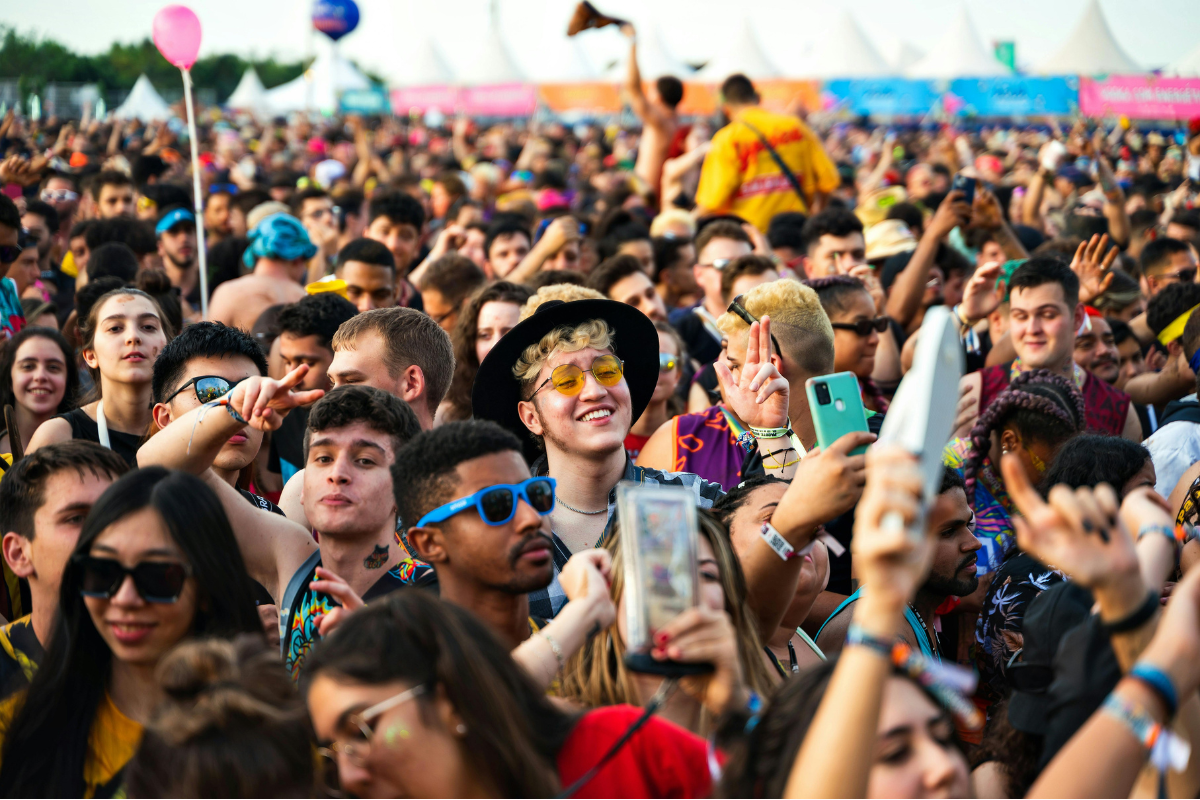
Several global factors are driving event-driven tourism faster than predicted:
- The Rise of the "Experience Economy": For Gen Z and Millennials, spending on experiences takes priority over material goods. They are willing to book international flights and premium stays just to attend a tour or festival. The destination is often secondary, the event is the primary reason for the journey.
- The "Tour-ism" Phenomenon: Major global tours have become massive economic engines, as seen with the BTS WORLD TOUR ‘ARIRANG’ announced in March 2026. As soon as its Southeast Asian dates for late 2026 were confirmed, a "booking frenzy" ignited, with hotels near venues selling out within hours, months before the actual shows. The "gold mine" effect also occurred with Taylor Swift's "The Eras Tour," which boosted revenue per room (RevPAR) in some cities to higher levels than the Super Bowl, or global events like the Paris Olympics and Tomorrowland. For hotel owners, the message is clear: opportunities open up when the event is announced, not when guests arrive.
- The Velocity of Social Media: When a global tour or a viral event is announced, information reaches millions in seconds. Fans immediately flood booking platforms. Hotels that fail to adjust rates within the first few hours of a major announcement often find their inventory "accidentally" sold out at standard low-season prices.
- Niche and Nature-Based Sporting Events: Beyond city stadiums, events like UTMB (Ultra-Trail du Mont-Blanc) in the Alps or the Ironman World Championships draw thousands of athletes and supporters to remote locales. These events create a "micro-peak" period that is completely separate from the region's usual ski or summer seasons, putting immense pressure on local accommodation providers.
Three Event Types, Three Approaches
Understanding the nature of the event helps hotels tailor their strategy:
- Mega-Concerts and Music Tours: Characterized by early announcements (3-6 months), an immediate booking frenzy, and high-density demand. These guests prioritize proximity to the venue and transit links.
- Annual Festivals and Cultural Heritage Events: Events like Oktoberfest in Munich or SXSW in Austin have fixed schedules. These allow for long-term "Early Bird" planning and specialized stay packages.
- Endurance and Sporting Events: Marathons and triathlons (like the Boston Marathon) draw guests who stay for shorter windows (2-3 days) but have specific needs, such as early breakfast or late check-out. For hotels in hosting cities, this requires a specific inventory plan that ignores the traditional calendar.
What are Hotels Missing Out On?
In reality, there are three common pitfalls hotels face regarding event-driven demand:
- Selling out too early at standard rates: Many hotels leave their "Standard Rate" open for a year in advance. When an event is announced, automated bots or savvy fans snap up these rooms before the hotelier can hit "update."
- Inability to sync rates across multiple channels: Updating each OTA manually is a losing game. By the time you update Booking.com, your Agoda or Expedia inventory has already been cleared at the old price.
- Lack of Proactive Intelligence: Many hotels are reactive, only realizing an event is happening when the phone starts ringing, usually after the most profitable booking window has closed.
How to Leverage Event-Driven Tourism? (The Action Plan)
- Build a Global/Local Event Calendar: Monitor major tour announcements and local stadium schedules 6-12 months out.
- Establish "Event-Rate" Frameworks: Once a major event is confirmed, implement a "Price Ceiling" and specific conditions like Minimum Stay (e.g., 2 or 3 nights) to prevent one-night bookings from "deadheading" your weekend revenue.
- Control Distribution Channels: During hyper-demand events, limit inventory on high-commission OTAs and push for Direct Bookings through your website to keep 100% of the margin.
- Create Value-Added Stay Packages: Offer "Concert Shuttles," athlete-focused meal plans, or "Festival Survival Kits." These justify a higher price point and encourage direct bookings over OTAs.
- Monitor Booking Pace: If your "Pickup" for a random Tuesday in November suddenly jumps by 30% in one morning, investigate immediately. It is likely a signal of a newly announced event.
Technology: The Deciding Factor in Speed
Success in today’s market requires rapid, synchronized reactions. This is where technology becomes your competitive edge.
An efficient Channel Manager allows you to adjust rates across all global OTAs in minutes. Combined with a Booking Engine on your website, you can prioritize direct sales when demand is at its peak.
In addition, Hotel Link’s Smart Rate and Yield Management tools allow you to:
- Auto-Close: Stop sales automatically when inventory hits a critical threshold to save the last rooms for high-value direct bookings.
- Rate Adjustment: Set "Operational Scripts" that automatically increase prices as your occupancy climbs, ensuring you never undersell your last ten rooms.
- Competitor Tracking: Monitor how the market is reacting to an event announcement in real-time.
Conclusion
Today's tourism seasons are no longer anchored to the weather. Events like world tours and international marathons are creating "demand waves" that can surge at any moment. Hotels that identify these signals early and possess a flexible, technology-driven response system will hold an absolute advantage.
The opportunity is always there; the difference lies in being prepared. If you are looking to master your distribution and seize these global surges, Hotel Link is ready to accompany you. Register for a free consultation with the Hotel Link team right here!