
The global hospitality industry is undergoing a paradigm shift, with physical health and mental...
Vietnam's international tourism market is witnessing remarkable growth milestones driven by a structural shift in new source markets. According to data from the Vietnam National Authority of Tourism, Indian arrivals to the country in the first two months of 2026 reached approximately 158,000, representing a growth rate of over 71% compared to the same period last year. This surge is not a short-term trend but the result of a systematic market expansion. For hotel operators and management companies, this is the ideal time to reshape service offerings and leverage technology to capture this high-potential guest segment. Join Hotel Link as we explore the key drivers behind this demand and analyze the service and technology strategies that will help your hotel capture this high-potential guest segment.
Drivers Behind the Indian Travel Boom
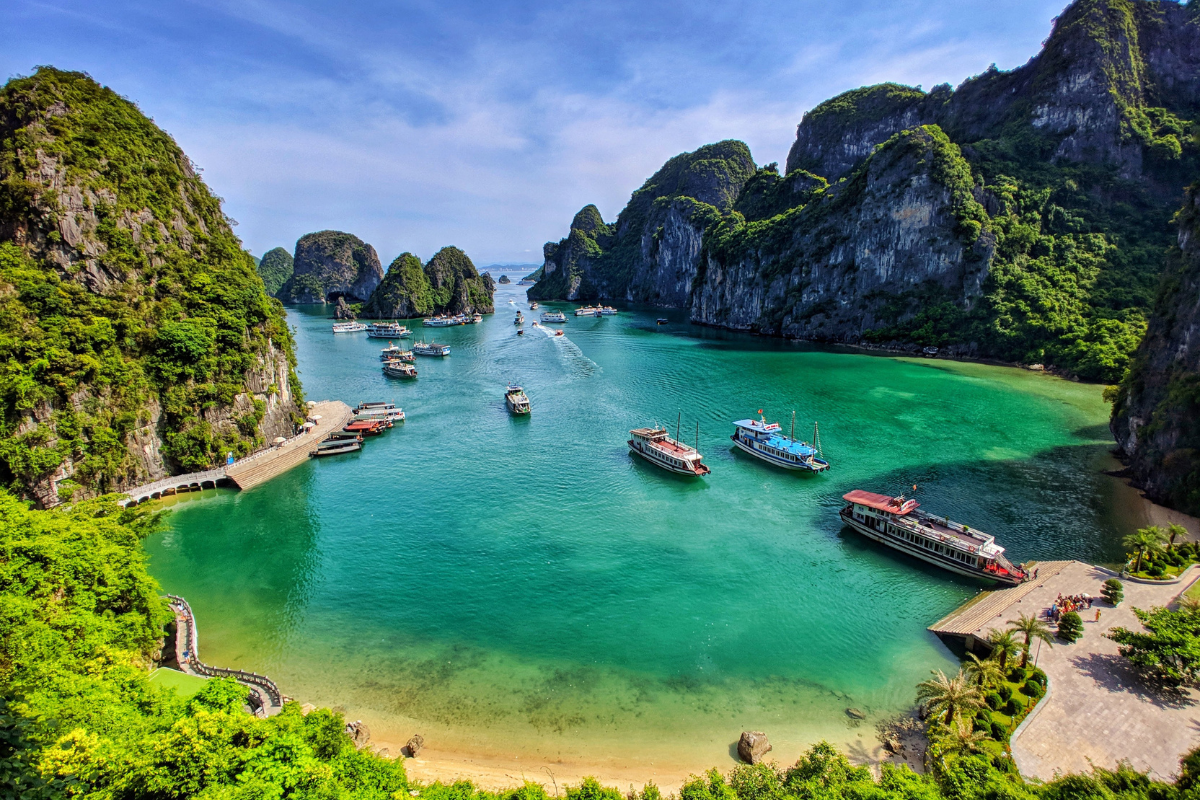
The breakthrough of the Indian market stems from enhanced connectivity infrastructure and shifting consumer spending habits:
- Expanded direct flight networks: Airlines are continuously expanding and increasing the frequency of direct flights connecting major Indian hubs (such as New Delhi, Mumbai, and Bengaluru) to Vietnam's top tourist destinations (Hanoi, Ho Chi Minh City, Da Nang, and Phu Quoc). Shorter travel times have turned Vietnam into a preferred choice for both short getaways and extended vacations.
- Favorable visa policies: The fast and efficient e-visa process, alongside relaxed entry conditions, acts as a critical psychological driver, encouraging travelers to finalize their booking decisions easily.
- Competitive service costs: Compared to traditional Southeast Asian destinations, Vietnam offers optimized operating and consumer costs, catering to diverse segments ranging from budget-conscious families to luxury travelers.
High-Spending Segments Hotels Should Target
Indian travelers are not only growing in sheer volume but are also shifting dynamically toward longer stays and higher average spend:
Luxury Destination Weddings
Vietnam is rapidly establishing itself as a premier host for extravagant Indian weddings. Beachfront resorts in Da Nang, Nha Trang, and Phu Quoc are uniquely equipped to meet strict requirements regarding large-scale event spaces, privacy, and full-service execution capabilities.
MICE and Corporate Events
Growing bilateral trade relations are driving steady growth in the MICE (Meetings, Incentives, Conferences, and Exhibitions) segment. These corporate groups typically require large room blocks, fixed lengths of stay, and integrated on-property services like banquet halls, customized restaurants, and spas.
Family Groups and Premium FITs
The expanding Indian middle class is fueling a wave of multi-generational family travel. Free Independent Travelers (FITs) and families prioritize meaningful cultural experiences, tailored dining options, and premium accommodation amenities.
A 4-Step Playbook to Capture Demand and Maximize TRevPAR
To convert potential travelers into actual revenue and optimize your Total Revenue Per Available Room (TRevPAR), hotels should implement a structured approach:
- Step 1 - Localize F&B and guest experiences: Hotels should proactively diversify menus, integrating vegetarian options or traditional Indian flavors at on-property restaurants. Train front-of-house and culinary staff to understand the cultural and behavioral preferences of this segment.
- Step 2 - Package exclusive products and bundles: Bundle accommodations with essential add-ons like airport transfers, rejuvenating spa treatments, or local cultural tours. Configure these packages clearly on your direct website to stimulate incremental spending.
- Step 3 - Implement smart management software: Seamlessly integrate a Channel Manager with a Booking Engine to adjust rates in real time, ensuring accurate inventory and pricing visibility across the digital channels Indian travelers use most.
- Step 4 - Expand international B2B distribution: Connect directly with major wholesalers, bedbanks, and specialized B2B travel agencies in India to secure a steady stream of MICE groups and long-stay project bookings year-round.
Read more: How to Create Local Cultural Experiences to Attract Group Tours?
Comparison of Market Approach Strategies
| Criteria | Passive Approach | Proactive Tech & Service Approach |
| Distribution Channels | Relies entirely on traditional retail OTA channels | Diversifies via Direct Booking Engine and global B2B partnerships. |
| F&B Services | Offers only standard international menus | Integrates vegetarian options and authentic regional flavors. |
| Pricing Strategy | Maintains rigid seasonal pricing or relies on flat discounts | Deploys real-time dynamic rates optimized by Length of Stay (LOS). |
| Guest Experience | Standardized, non-personalized services | Localizes service delivery based on cultural preferences. |
Conclusion
The Indian outbound travel market to Vietnam, boasting a growth rate of over 71%, opens up new avenues of growth for the hospitality industry. Successfully capturing and optimizing revenue from this segment heavily relies on a property's operational agility. Preparing a culturally localized service infrastructure backed by a synchronized management tech stack will empower hotels to build long-term competitive advantages in this new era.
Optimize your distribution and operational capabilities today to fully capture this high-potential market. Sign up for a free consultation with Hotel Link’s expert team to receive a comprehensive digital transformation strategy!